

Who doesn’t love blueberries? You’ll rarely find someone who finds these beautiful blue and juicy berries unappetizing. It’s not just beautiful to the eyes and delightful to the taste buds but is also packed with powerful antioxidants and other beneficial nutrients.
Does this make blueberries edible for rabbits? Often, what’s good for us isn’t suitable for rabbits and can be fatal sometimes. However, if you’re wondering whether you can give blueberries to your pet, read this article to find out everything about feeding blueberries to rabbits.
Are Blueberries Safe for Rabbits?
Blueberries are safe for rabbits if you give them in moderation and only as occasional treats. Besides, be careful with it around rabbits and keep these berries out of their reach.
Blueberries are beautifully vibrant, sugary, juicy berries that pack quite a punch in terms of nutritional benefits and sweetness. Giving them to rabbits as occasional supplements can be good.
However, make sure you aren’t giving these frequently. Too much sugar and an excess of nutrients thought to be beneficial can end up harming your delicate pets.
How Many Blueberries Can You Give to Rabbits?
As a general rule of thumb, you shouldn’t feed more than one teaspoon of fruits per two pounds of the body weight of your rabbit. However, giving one or two blueberries just two days a week, as occasional treats, is enough to supplement the necessary nutrients for your bunny.
Any amount more than this can result in fatal consequences. Also, ensure that all the blueberries are out of your pet’s reach so they don’t munch on them.
How Can You Give These Berries to Your Pet?
Fresh blueberries are the ideal form for rabbits. Before giving your rabbit blueberries, ensure they’re thoroughly washed and clean to remove dirt and chemicals like pesticides or preservatives. It’s best if you can give them organic blueberries or blueberries grown in your garden.
Usually, with berries, you need to pit them so that rabbits don’t end up choking on the seeds. But you don’t have to do that for blueberries, as they aren’t toxic. Besides, the seeds are so small that even if your rabbit swallows them, it’ll pass them out with the excreta.
Make sure that the blueberries you’re feeding your rabbits aren’t unripened or wilted. Wilting fruits grow fungus in them, which can make your rabbit extremely sick, and unripe blueberries may contain some nutrients in excess and other compounds that can end up harming their gastrointestinal system.
Do Rabbits Like Having Blueberries?
Rabbits gravitate towards anything sweet, so they’re naturally drawn to blueberries. They love sniffing these sweet berries and chewing on the juicy flesh. Besides, the sweet taste gets them so addicted that they wouldn’t stop eating these berries if they could.
This is why it’s necessary to keep blueberries out of their reach. Otherwise, they’ll suffer the consequences of having excess sugar.
Also, just like every fruit, you should introduce blueberries as your rabbit’s treat with much care and observation. Give your pet one blueberry and observe how it reacts to it for the next twenty-four hours. If it can digest it well, this berry can be a treat for your bunny!
Can Bunnies Eat Any Other Parts of the Blueberry Shrubs?
If you’ve ever seen wild rabbits, they love nibbling on blueberry bushes, especially in the winter, whether it’s the fruits, the leaves, or other parts such as the stems. Apart from the fruit, the leaves are safe for rabbits to nibble. They have the perfect amount of fiber to keep the bowels in rabbits healthy.
Rabbits like chewing on the stem. However, ensure that your bunny doesn’t end up swallowing these stems, as they’re tough enough to cause gastrointestinal blockages.
What Health Benefits Do Blueberries Carry?
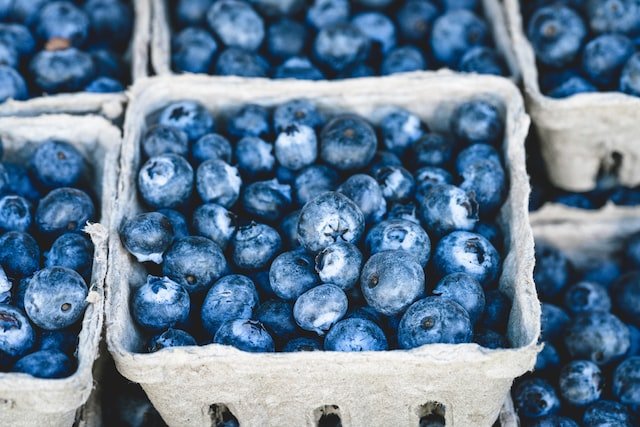
Blueberries are sometimes considered one of the superfoods for us due to the number of antioxidants they pack. Imagine how many great nutrients they have that can be beneficial for rabbits!
We know how supple blueberries are thanks to the amount of water they contain. They also contain vitamins A, B6, B9, C, E, and K, and potassium, magnesium, phosphorus, and manganese. They’re also packed with antioxidants, pterostilbene, anthocyanins, myricetin, and quercetin.
1. Vitamins
As we all know, Vitamin A benefits eye health, immunity, and reproductive health. The B vitamins in blueberries are crucial for brain development as a fetus and adult. They also help to break down proteins and carbohydrates properly and boost red blood cells to prevent anemia.
Vitamin C strengthens immunity and produces collagen, which helps create connective tissues, blood vessels, and healing injuries. Vitamin E is a powerful antioxidant and keeps the skin, nails, and fur healthy.
Vitamin K is crucial for blood flow and blood clotting. It also promotes bone health and supports motor activities.
2. Minerals
Potassium is extremely crucial for maintaining a healthy heart and also supporting motor function for proper muscle movements. Magnesium is an essential mineral for synthesizing DNA and RNA, the genetic building blocks of every animal. It also maintains blood pressure and blood sugar levels.
Manganese is an essential mineral that helps build connective tissues and synthesizes reproductive hormones. Phosphorus works alongside calcium to build and strengthen bones and teeth. It also repairs damaged tissues and breaks down carbohydrates and fats.
3. Antioxidants
The antioxidants will help your rabbits in several ways. They’ll boost your rabbit’s immunity by increasing the activity of specific genes. These antioxidants also reduce the risks of heart diseases, heart disorders, certain cancers, diabetes, and high blood pressure.
4. Other Nutrients
Blueberries are low in calories, so you don’t have to worry about your pet gaining unnecessary weight from blueberries. Besides, they’re high in fiber and water, which are excellent for maintaining healthy bowel movements.
Can Blueberries Be Hazardous for Your Bunny?
Like any other fruits and berries, blueberries can sometimes be hazardous. Steer clear of giving this fruit to your pet if it’s already having digestive issues. Let’s see in what ways blueberries can harm your bunnies.
1. Fresh Blueberries
Even the freshest blueberries can harm rabbits if you’re not careful about how much you give. Blueberries are sugary fruits, and excess sugar can distort the balance in the stomach and gastrointestinal system.
Too much sugar and vitamins can alter the pH balance in the stomach, creating an imbalance in the healthy bacterial environment in your rabbit’s gut. This will create flatulence and bloating and cause diarrhea and lethargy in your pet bunny.
2. Frozen Blueberries
Because they become hard, frozen blueberries can be hard to chew on and become a choking hazard for rabbits. On top of that, the cold temperature and icy texture harm your bunny, as it’ll catch a cold. This can lead your pet to various health issues like coughing, runny nose, breathing difficulties, loss of appetite, and lethargy.
3. Dehydrated and Dried Blueberries
Whether dried or dehydrated, you should avoid giving these blueberries to your rabbits at all costs. Dried and dehydrated blueberries are highly concentrated in sugar. Giving even one such blueberry will create fatal health issues in your rabbit.
4. Canned Blueberries
You should avoid giving your rabbits canned blueberries at all costs. Canned blueberries are flooded with preservatives and other chemicals, which are dangerous for the sensitive bodies of these delicate animals. This also includes blueberry jam and blueberry compote.
5. Blueberry Juice
Blueberry juice should be okay, right? Not really. The juice will contain only high amounts of sugar and very little good nutrition. You’ll essentially be feeding your rabbit sweet juice, which we now know is fatal for these delicate creatures.
It’s tough to control the amount you need to register when feeding the juice. It, of course, isn’t a good idea to give them store-bought blueberry juice, and it still isn’t a good idea to provide them with freshly squeezed blueberry juice.
Should You Give Blueberries to Baby Rabbits?
Absolutely not! Baby rabbits shouldn’t feed on anything other than their mothers’ milk and hay. Their stomachs and every system in their body are extremely sensitive to handle anything as severe as sugar, vitamins, minerals, antioxidants, and additional nutrients.
Even the slightest introduction of these in baby rabbits can send their bodies into severe shock, cause severe diarrhea, and ultimately result in extreme dehydration. These can be so fatal that you may be unable to save the babies.
Conclusion
As you can see, blueberries are beneficial for bunnies as long as you give them in moderation and as small treats. These berries can act as supplements of powerful antioxidants for the healthy development of these delicate animals.
You just have to be careful about the amount and don’t give anything other than fresh blueberries. We hope you found this article helpful and that your pet enjoys this sweet treat!